
Why Flexibility, Connectivity, and Infrastructure Design Matter in the Future of Digital Identity
By H.E. Roné de Beauvoir
Founder, XCEL Crypto Partners LLC
Introduction: The Evolution of Digital Identity Infrastructure
As digital ecosystems continue to expand, organizations and institutions are increasingly recognizing the limitations of fragmented identity systems. Traditional identity frameworks often operate in isolation, creating inefficiencies, security gaps, and barriers to participation across platforms and services.
In response, modular and interoperable digital identity systems are emerging as a more adaptable and scalable approach to identity infrastructure.
These systems are designed not only to verify identity securely, but to enable identity portability, system integration, and broader digital participation across interconnected environments.
Understanding Modular Identity Systems
A modular digital identity system is built using separate but connected components that can be updated, integrated, or expanded independently.
Rather than relying on a single rigid framework, modular systems allow organizations to:
- customize identity layers
- integrate new technologies gradually
- adapt to evolving regulatory requirements
- improve scalability over time
This flexibility is becoming increasingly important in rapidly evolving digital environments.
What Is Interoperability?
Interoperability refers to the ability of identity systems to function across different platforms, institutions, applications, and jurisdictions.
In interoperable identity environments, users can securely access services across multiple systems without repeatedly recreating or verifying identity credentials.
This creates more seamless digital experiences while improving operational efficiency and security consistency.
Why Interoperability Matters
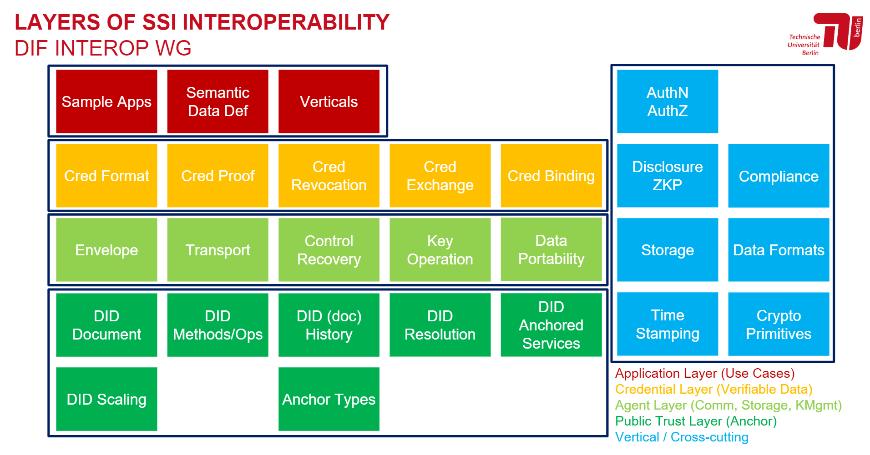
Without interoperability, identity systems often become fragmented.
This can lead to:
- duplicated identity verification processes
- inconsistent security standards
- reduced accessibility
- onboarding friction
- data silos across institutions
Interoperable systems help address these issues by creating more connected identity ecosystems.
Benefits of Modular and Interoperable Identity Systems
The advantages of modular and interoperable infrastructure include:
✔ improved scalability
✔ stronger system flexibility
✔ enhanced user experience
✔ reduced onboarding complexity
✔ more consistent identity verification
✔ increased cross-platform compatibility
For organizations, this can improve efficiency while enabling broader participation across digital services.
The Role of Web3 Infrastructure
Web3 technologies are increasingly influencing the evolution of interoperable identity systems.
Decentralized identity frameworks supported by blockchain infrastructure may provide:
- portable identity credentials
- user-controlled verification
- encrypted authentication mechanisms
- reduced reliance on centralized databases
These approaches aim to strengthen both privacy and interoperability while expanding secure participation across digital ecosystems.
Interoperability and Financial Inclusion
Interoperable identity systems may also play a critical role in advancing financial inclusion.
Many individuals remain excluded from formal systems because identity verification processes vary across institutions and regions.
Portable and interoperable identity infrastructure can help simplify access to:
- banking services
- digital payments
- online commerce
- financial onboarding systems
This creates opportunities for broader participation within digital economies.
Governance and Security Considerations
While interoperability creates significant advantages, it also introduces governance challenges.
Institutions must carefully address:
- data privacy
- identity security
- consent management
- cross-platform standards
- regulatory alignment
Without clear governance structures, interoperability itself can introduce new vulnerabilities.
A Human-Centered Approach to Identity Infrastructure
The future of digital identity systems will not be determined solely by technological capability.
It will depend on whether systems are designed to support:
👉 accessibility
👉 trust
👉 privacy
👉 and human participation
Modular and interoperable identity frameworks provide an opportunity to move beyond fragmented systems toward more connected and adaptable digital environments.
Closing: Building the Next Generation of Identity Systems
As digital systems continue to evolve, modularity and interoperability are becoming foundational principles for scalable identity infrastructure.
The challenge ahead is not simply creating more identity systems —
but building systems capable of working together securely, responsibly, and inclusively.
“The future of digital identity depends not only on security, but on the ability of systems to connect, adapt, and recognize individuals across evolving digital environments.”
— H.E. Roné de Beauvoir
About the Author
H.E. Roné de Beauvoir is the founder of XCEL Crypto Partners LLC, an organization focused on digital identity, financial inclusion, Web3 infrastructure, and human-centered technology systems. Her work explores the relationship between interoperable identity systems, secure digital participation, and global access infrastructure.