
How Identity Infrastructure Is Reshaping Trust, Access, and Financial Security in the Digital Era
By H.E. Roné de Beauvoir
Founder, XCEL Crypto Partners LLC
Founder, Dignifi-Global™
Introduction: Trust as the Foundation of Digital Transactions
As digital commerce continues to expand globally, the ability to establish trust in online environments has become increasingly important. Financial systems, marketplaces, and digital platforms all depend on secure methods of verifying identity while protecting user privacy and reducing fraud.
Traditional authentication systems — including passwords, static credentials, and fragmented identity verification processes — are increasingly challenged by cyber threats, identity theft, and data breaches.
This has led to growing interest in digital identity infrastructure as a foundation for more secure online transactions.
What Are Digital Identity Solutions?
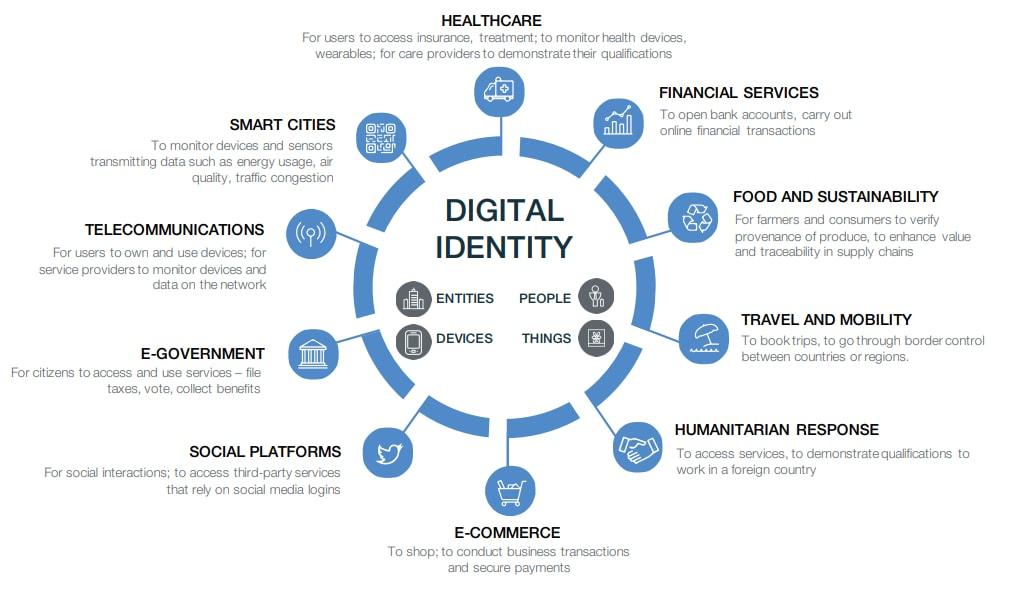
Digital identity solutions are systems designed to verify, authenticate, and manage identity within digital environments.
These systems may include:
- biometric verification
- decentralized identity frameworks
- blockchain-supported identity records
- encrypted credentials
- multi-factor authentication systems
The goal is to create secure, portable, and verifiable identity structures that allow individuals to interact safely across digital platforms.
Online transactions continue to face several major risks:
- identity theft
- account fraud
- unauthorized access
- synthetic identity fraud
- fragmented authentication systems
As digital participation grows, these vulnerabilities increase pressure on institutions to modernize identity verification methods.
How Digital Identity Strengthens Security
Digital identity solutions help address these challenges by enabling:
✔ stronger authentication mechanisms
✔ real-time verification
✔ encrypted identity credentials
✔ reduced reliance on passwords alone
✔ greater control over identity access
In decentralized identity models, individuals may also gain increased ownership over their identity data, reducing dependence on centralized databases vulnerable to breaches.
The Role of Interoperability
A key factor in effective digital identity systems is interoperability.
Interoperable identity frameworks allow users to move across platforms, institutions, and services without repeatedly recreating identity credentials.
This improves:
- user experience
- efficiency
- security consistency
- cross-platform verification
Digital Identity and Financial Inclusion
Digital identity infrastructure also plays a significant role in expanding financial inclusion.
Millions of individuals worldwide remain excluded from formal financial systems due to the inability to verify identity through traditional documentation processes.
Secure digital identity systems can help bridge this gap by enabling:
- access to financial services
- participation in digital commerce
- secure onboarding processes
- identity portability across systems
The Importance of Privacy and Governance
While digital identity systems offer significant opportunities, they also introduce important governance considerations.
Questions surrounding:
- data ownership
- privacy protection
- surveillance risks
- interoperability standards
- institutional accountability
must be addressed carefully to ensure that digital identity systems remain human-centered and rights-conscious.
A Dignity-First Perspective
A dignity-first approach to digital identity recognizes that identity is not merely a technical function.
It is connected to:
👉 recognition
👉 participation
👉 access
👉 and trust
Effective identity systems must therefore balance:
- security
- accessibility
- privacy
- and human rights protections
Closing: The Future of Secure Digital Transactions
As financial systems and digital platforms continue to evolve, digital identity infrastructure will play an increasingly central role in securing online transactions.
The challenge moving forward is not simply technological implementation.
It is designing identity systems that are:
✔ secure
✔ interoperable
✔ privacy-conscious
✔ and accessible across diverse global populations
“Secure digital transactions begin with trusted identity systems — but trust itself depends on how responsibly those systems are designed.”
— H.E. Roné de Beauvoir
About the Author
H.E. Roné de Beauvoir is the founder of XCEL Crypto Partners LLC and Dignifi-Global™, organizations focused on digital identity, financial inclusion, AI governance, and human-centered technology systems. Her work explores the intersection of emerging infrastructure, institutional accountability, and global access in the digital era.