
Evaluating Scalability, Interoperability, Security, and Human-Centered Design in Modern Identity Systems
By H.E. Roné de Beauvoir
Founder, XCEL Crypto Partners LLC
Introduction: Identity Infrastructure as a Foundational System
As digital ecosystems continue to expand across finance, healthcare, governance, commerce, and online services, digital identity infrastructure is becoming one of the most important components of modern digital participation.
Organizations are increasingly evaluating how identity systems impact:
- security
- onboarding
- interoperability
- compliance
- accessibility
- and long-term scalability
Yet selecting the right digital identity infrastructure involves more than choosing a technical platform. It requires understanding how identity systems function within broader digital ecosystems and human-centered environments.
Why Digital Identity Infrastructure Matters
Digital identity infrastructure forms the basis for verifying, authenticating, and managing identity across digital platforms and services.
Effective infrastructure can help organizations:
✔ reduce fraud
✔ strengthen security
✔ improve onboarding efficiency
✔ support regulatory compliance
✔ enable cross-platform participation
At the same time, poorly designed systems may introduce fragmentation, accessibility barriers, privacy risks, and operational inefficiencies.
Key Factors in Evaluating Identity Infrastructure
Selecting the right infrastructure requires evaluating several core components.
1. Scalability
Scalable identity systems are capable of adapting to increasing user demand, expanded services, and evolving digital environments.
Organizations should consider whether infrastructure can:
- support growing transaction volumes
- integrate additional services over time
- adapt to future technologies
- operate across multiple regions or jurisdictions
Scalability is particularly important for systems intended to serve large or diverse populations.
2. Interoperability
Interoperability determines whether identity systems can function across multiple platforms, institutions, and applications.
Interoperable systems help reduce:
- duplicate onboarding processes
- fragmented identity records
- inconsistent verification methods
This allows users to interact more seamlessly across digital ecosystems while improving operational efficiency.
3. Privacy and Security
Privacy and security remain central considerations in digital identity infrastructure.
Organizations must evaluate:
- encryption standards
- authentication mechanisms
- data storage models
- access control systems
- breach mitigation capabilities
Strong identity systems should balance security with user privacy and responsible data governance.
4. Governance and Compliance
Identity systems operate within evolving legal and regulatory environments.
Infrastructure should support:
- consent management
- data protection compliance
- auditability
- accountability mechanisms
- regulatory adaptability
Governance frameworks are essential for maintaining trust within digital identity ecosystems.
5. User Onboarding and Accessibility
The effectiveness of identity infrastructure is heavily influenced by onboarding experience.
Complex or inaccessible onboarding systems may unintentionally exclude users, particularly underserved populations or individuals with limited access to traditional documentation.
Organizations should consider whether systems support:
- simplified onboarding
- mobile accessibility
- multilingual participation
- inclusive verification methods
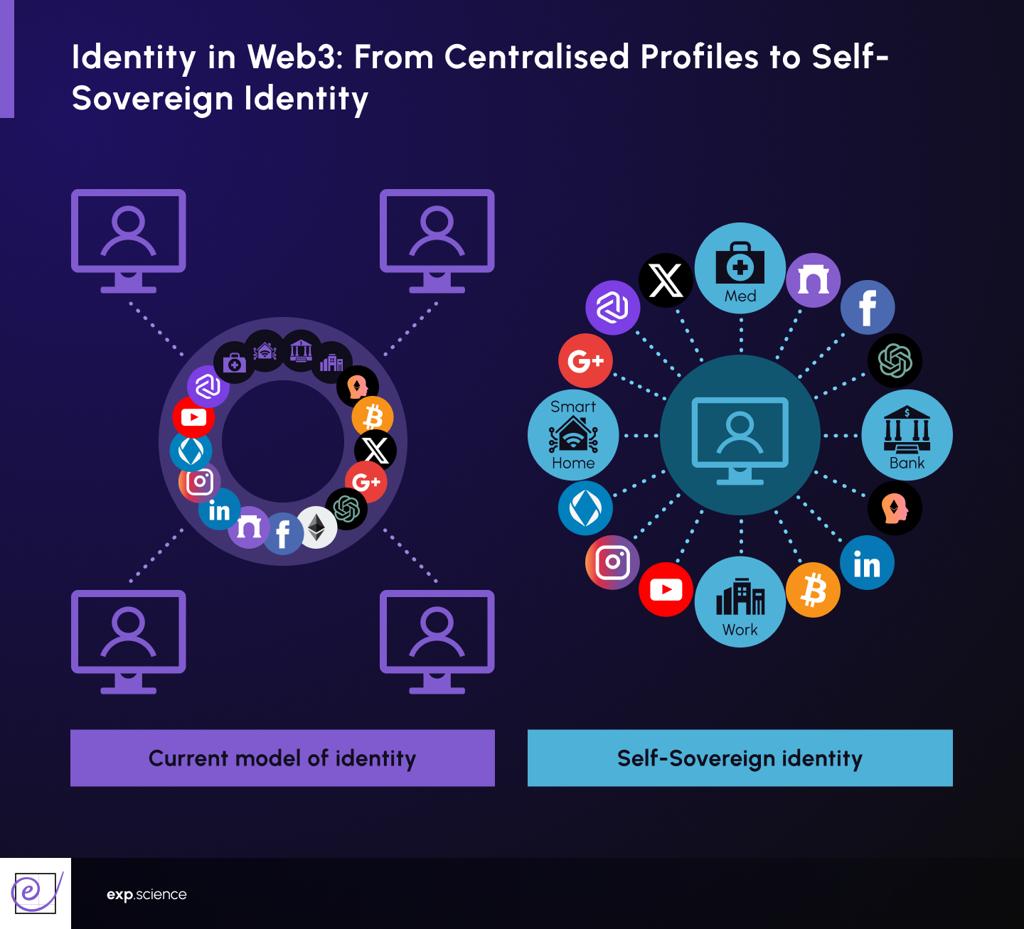
6. Web3 and Decentralized Identity Considerations
Web3 technologies are increasingly influencing digital identity infrastructure through decentralized identity models.
These systems may offer:
- user-controlled credentials
- portable identity verification
- blockchain-supported authentication
- reduced reliance on centralized databases
While decentralized approaches present new opportunities, organizations must also evaluate governance maturity, interoperability standards, and long-term operational stability.
7. Financial Inclusion Applications
Digital identity infrastructure plays a major role in expanding financial inclusion.
Millions of individuals worldwide remain excluded from financial systems due to identity verification barriers.
Effective identity infrastructure can help support:
- secure onboarding into financial services
- digital payment participation
- cross-border financial access
- inclusion within digital economies
This makes identity infrastructure not only a technical issue, but also a participation and access issue.
A Human-Centered Approach to Identity Infrastructure
The most effective identity systems are not solely defined by technological sophistication.
They are defined by whether they enable:
👉 trust
👉 accessibility
👉 privacy
👉 interoperability
👉 and human participation
Human-centered infrastructure design ensures that systems remain adaptable to real-world conditions while supporting secure digital engagement.
Closing: Building Identity Infrastructure for the Future
As digital ecosystems continue evolving, identity infrastructure will increasingly shape how individuals access services, participate economically, and interact across digital environments.
Choosing the right infrastructure requires balancing:
- security
- governance
- scalability
- interoperability
- and inclusion
The future of digital participation will depend not only on how identity systems function — but on how responsibly they are designed.
“Digital identity infrastructure should not merely verify individuals — it should enable secure, accessible, and trusted participation across evolving digital systems.”
— H.E. Roné de Beauvoir
About the Author
H.E. Roné de Beauvoir is the founder of XCEL Crypto Partners LLC, an organization focused on digital identity, financial inclusion, Web3 infrastructure, and human-centered technology systems. Her work explores the relationship between interoperable identity systems, secure digital participation, and global access infrastructure.