
Understanding the Role of Decentralized Systems in Identity, Access, and Digital Participation
By H.E. Roné de Beauvoir
Founder, XCEL Crypto Partners LLC
Introduction: The Evolution of Digital Infrastructure
As digital systems continue evolving, conversations surrounding Web3 infrastructure are becoming increasingly central to the future of online participation, identity management, financial access, and digital ownership.
While early internet systems were largely centralized — relying on institutional control over platforms, data, and user access — emerging Web3 frameworks are introducing more decentralized approaches to digital infrastructure.
These systems aim to expand user participation, improve portability across platforms, and increase individual control over digital interactions.
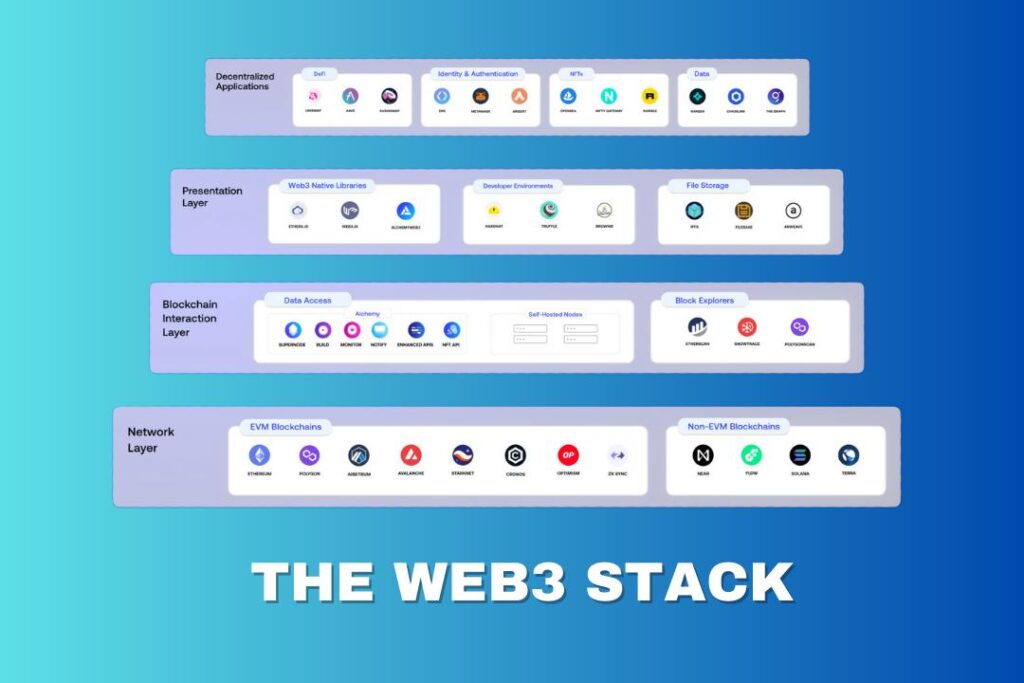
Understanding Web3 Infrastructure
Web3 infrastructure refers to the foundational technologies and systems that support decentralized digital environments.
These systems may include:
- blockchain networks
- decentralized identity frameworks
- smart contracts
- digital wallets
- distributed data systems
- peer-to-peer verification models
Rather than relying solely on centralized intermediaries, Web3 systems distribute functions across broader digital networks.
Why Web3 Infrastructure Matters
Web3 infrastructure is gaining attention because it may help address limitations associated with centralized systems, including:
- single points of failure
- limited user control over data
- fragmented digital identity systems
- barriers to interoperability
- restricted access to digital services
By decentralizing certain functions, Web3 systems aim to create more flexible and participatory digital environments.
Web3 Infrastructure for Individuals
For individuals, Web3 infrastructure may provide:
✔ portable digital identity credentials
✔ increased control over personal data
✔ direct participation in digital ecosystems
✔ decentralized financial access
✔ enhanced ownership of digital assets and interactions
This can reduce dependence on multiple isolated platforms while improving identity portability across services.
Web3 Infrastructure for Communities
Communities may also benefit from decentralized infrastructure models.
Web3 systems can support:
- community-led digital participation
- decentralized governance structures
- peer-to-peer value exchange
- shared digital identity frameworks
- locally adaptable digital ecosystems
In regions where traditional infrastructure remains limited, decentralized systems may also create new pathways for participation and access.
The Role of Digital Identity
Digital identity infrastructure remains a foundational component of Web3 ecosystems.
Without trusted identity systems, decentralized environments may still encounter:
- fraud risks
- onboarding barriers
- fragmented participation
- inconsistent trust mechanisms
As a result, interoperable and secure digital identity systems are increasingly viewed as critical to scalable Web3 adoption.
Web3 and Financial Inclusion
Web3 infrastructure may also contribute to broader financial inclusion efforts.
Millions of individuals worldwide remain excluded from traditional financial systems due to documentation barriers, geographic limitations, or institutional access gaps.
Web3-enabled systems may help support:
- decentralized financial participation
- digital payment access
- cross-border transactions
- community-based economic ecosystems
However, inclusion depends heavily on accessibility, governance, and infrastructure design.
Governance, Privacy, and Security Considerations
Despite its potential, Web3 infrastructure also introduces significant governance questions.
Organizations and communities must evaluate:
- privacy protections
- identity security
- interoperability standards
- smart contract reliability
- regulatory alignment
- user education and accessibility
Without effective governance structures, decentralized systems may still reproduce existing inequalities or introduce new vulnerabilities.